
Four things, done properly.
I am one developer. I do not offer marketing, SEO, design or mobile apps, and I will tell you that before you ask rather than after.
What I do offer is WordPress, WooCommerce, Shopify and custom applications, built by the person you will be speaking to, with the code public wherever it can be.
I would rather be genuinely good at a short list
than passable at a long one.

Why the list is short
Most agencies widen the list because a wider list catches more enquiries. I narrowed mine because a short list is the only honest thing one person can offer.
Each of these four stands on its own. They also overlap more than they look like they do.
- WordPress and WooCommerce are the same platform, so a store and its site are one build, not two.
- A Shopify migration usually starts as a WordPress question, or ends as one.
- A custom application is what happens when the CMS is the wrong tool and somebody says so early.
- All four end the same way: the code, documented, in a repository you own.
That is the whole offer. No retainer you cannot leave, and no layer between you and the person writing it.

What I Build

WordPress Custom Development
Custom themes and plugins written against WordPress coding standards, plus rescues of slow or broken sites.
My name is in the WordPress core credits seven times, and eight plugins, two themes and 14 block patterns of mine are published on wordpress.org.
That is the same standard going into your build: hooks and filters rather than edited core files, fewer plugins, and documentation written as I go.
Your CMS should adapt to your business logic, not force your business to adapt to the CMS.
WooCommerce Development
Store builds, checkout and payment work, invoicing, subscriptions and migrations, backed by a WooCommerce extension published on wordpress.org.
A store is the one part of a site where a slow page or an extra checkout field costs money directly.
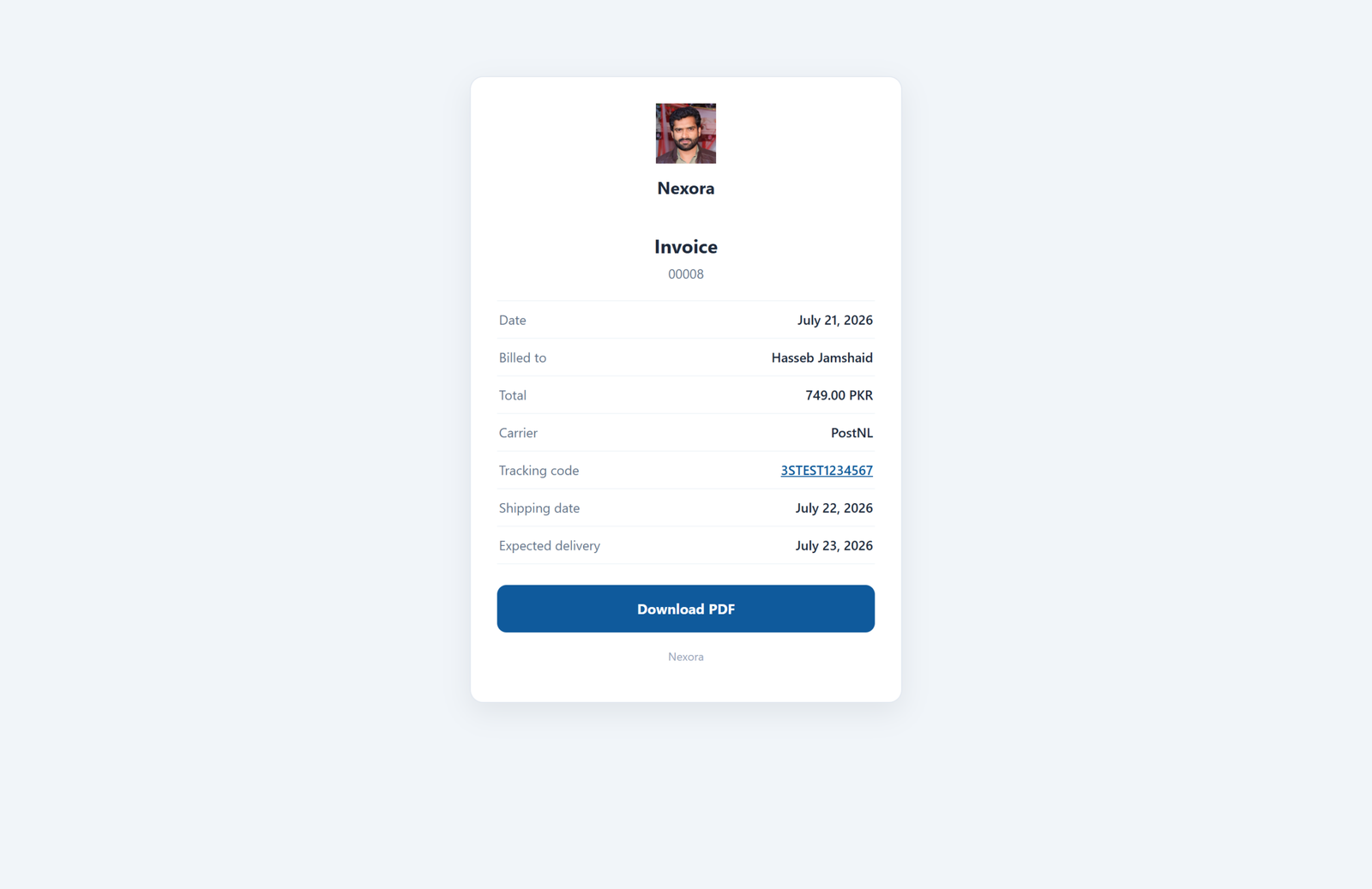
I build and maintain SoftGlaze PDF Invoices for WooCommerce, published on the official plugin directory at version 2.28.0. Order data goes through WooCommerce CRUD, so a platform update does not break the build.
You can read the WooCommerce code before you hire the developer who wrote it.

Shopify Website Development
Custom Liquid theme development, tailored storefronts, and checkout journeys built to convert rather than just to look current.
In e-commerce the damage is quiet. A slow product page, an extra checkout field, an app loading on every view, and the analytics tell you it happened without telling you why.
I write Liquid by hand and keep theme code in version control rather than the theme editor, so a theme update does not overwrite work you paid for.
In e-commerce, fractions of a second and minor UX frictions dictate your bottom line.

Custom Web Applications
Bespoke systems in PHP, Laravel and React for workflows that need their own tool rather than a generic one.
Some businesses do not need another subscription. They need something built around the way they already work.
Dashboards, client portals, booking systems and desktop tools. Several of mine are public on GitHub, including a point-of-sale system with double-entry accounting and an Electron desktop app.
The right system removes manual work instead of moving it somewhere else.
Why these four sit together
These are not four separate offers bundled for convenience. They are one skill set pointed at four platforms.
- WordPress and WooCommerce share a codebase, so a store and its content site are one build.
- Shopify and WooCommerce answer the same commercial question with different tooling.
- A custom application is the honest answer when a CMS is being bent too far.
- Every one of them ends with the code in your repository, documented.
- And every one of them is written by the same person you first emailed.
That is why the list is four and not twelve. Each one makes the next easier to judge, because you can read the last thing I shipped.
The stack I actually work in
PHP and WordPress first, then WooCommerce, Shopify with Liquid, Laravel, React and Electron for desktop tools. The list is short on purpose: it is what I can support properly a year after launch.
What I work in:
I do not pick technologies for fashion. I pick them for fit, for performance, and for whether I can still maintain them next year.
“The right stack is not the trendiest one. It is the one that solves the problem properly.”
Who this works for
I work best with businesses that want the development done properly, and who are willing to be told when something is a bad idea.
A strong fit if you:
- want to own your code outright, with no proprietary layer
- would rather talk to the developer than an account manager
- have a site or store that broke, slowed down, or outgrew its theme
- need something built around your workflow rather than the reverse
- value being told no early over being told yes expensively
One service, or all four?
Whether you need a single WordPress build, a store rescued, a Shopify migration, or a system that does not exist yet, the starting point is the same conversation.
You do not need it fully mapped out first. Some of the best projects start as a description of what is going wrong.